October 23, 2026
The significance of modern materials in the roofing industry cannot be overstated. These materials have revolutionized roofing by enhancing not only the efficiency of installations but also the overall effectiveness. Over recent years, advancements in roofing technology have resulted in materials that are lighter, more durable, and environmentally friendly, offering a range of benefits to homeowners and builders alike. As the demand for sustainable and cost-effective solutions grows, modern roofing materials are leading the charge, setting new industry standards. This article will delve into how these innovations improve roofing installation results, covering various dimensions such as durability, energy efficiency, and aesthetics.
Enhanced Durability of Modern Roofing Materials
Innovations in Synthetic Materials
Recent advancements in synthetic roofing materials have significantly elevated their durability and performance. Synthetic polymers are engineered to withstand harsh environmental conditions, making them a preferred choice over traditional materials. These innovations include improved formulations that offer resistance to cracks, impact, and UV exposure. The use of synthetic materials also opens possibilities for extended warranties, giving homeowners peace of mind about their investment. Moreover, the flexibility and ease of installation associated with synthetic roofing materials make them increasingly popular among contractors.
Resistance to Weather Extremes
One of the key advantages of modern roofing materials is their exceptional resistance to weather extremes. Whether facing intense heat, heavy snowfall, or fierce winds, these materials maintain their integrity and functionality. This resilience is crucial for structures located in areas with unpredictable climates, reducing maintenance costs and enhancing safety. Moreover, manufacturers are continuously innovating to improve these characteristics, incorporating elements that can adapt to varying temperatures and environmental pressures. Consequently, this development has set a new benchmark for the longevity of roofing solutions.
Improved Longevity Compared to Traditional Materials
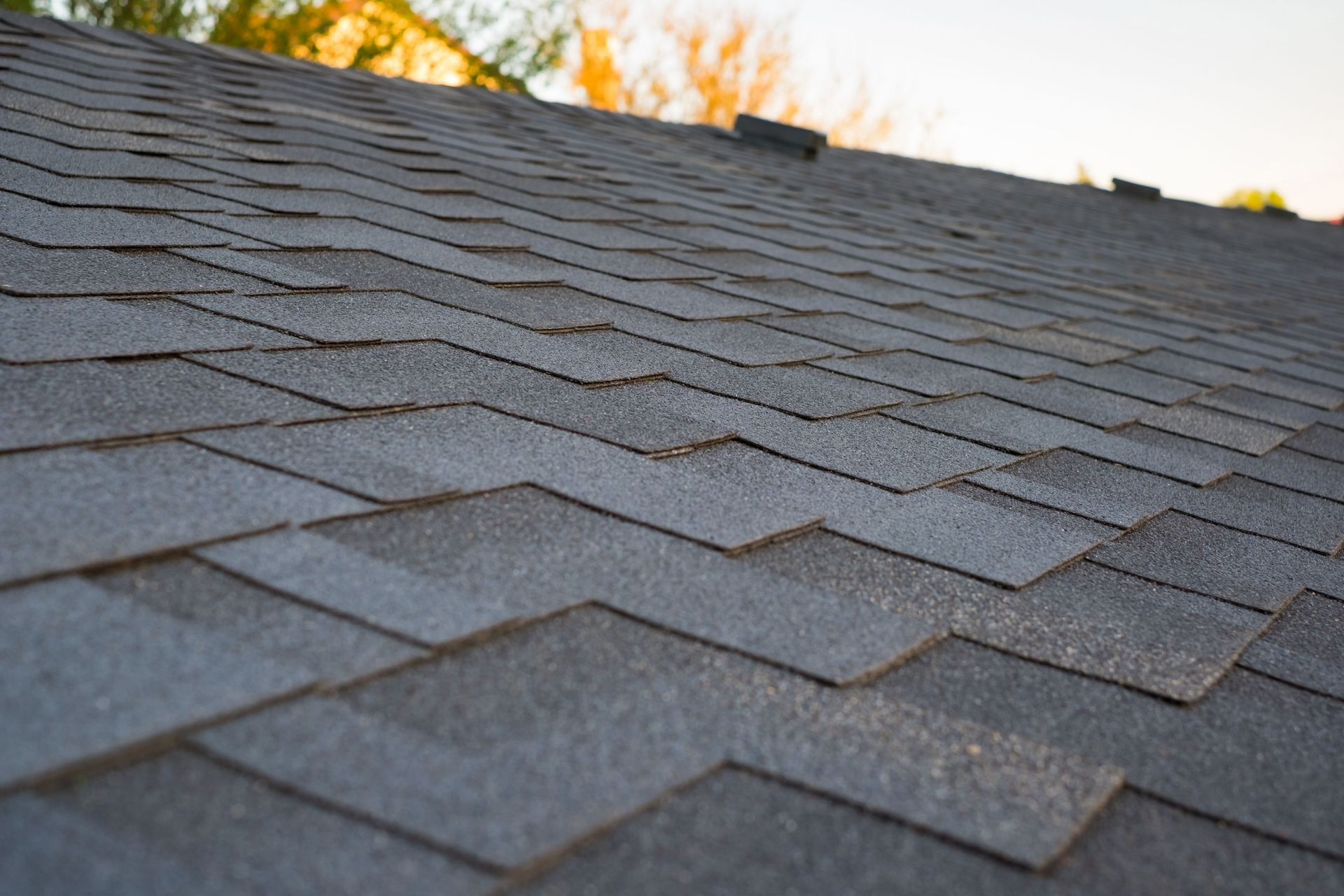
Comparing modern roofing materials to their traditional counterparts reveals a clear advantage in terms of longevity. While traditional asphalt shingles offer a lifespan of about 15-20 years, modern options such as metal, slate, and synthetic composites often last twice as long. The introduction of fiberglass shingles, which comprise about 90% of asphalt roofs sold in the U.S. according to Webinar Care, has further enhanced this longevity due to their resilience. This extended lifespan translates into cost savings over time, as roofs require fewer replacements and less frequent repairs. Homeowners can thus benefit from both improved aesthetics and functional reliability.
Case Studies Demonstrating Increased Lifespan
Numerous case studies demonstrate the increased lifespan of modern roofing materials. A study conducted in coastal regions found that roofs made from advanced synthetic materials outlasted traditional ones by several decades. Another case involving a commercial property showcased how a metal roofing system maintained structural integrity despite harsh weather, outperforming older installations. These cases highlight not only the durability of such materials but their cost-effectiveness. With proper maintenance, modern roofs continue to perform efficiently, reaffirming their superior longevity. Such findings underscore the importance of choosing quality materials in achieving long-term benefits.
Cost-Benefit Analysis of Durable Roofing
The initial investment in durable roofing materials might be higher, but the long-term benefits far outweigh the costs. One major advantage is the reduction in maintenance and replacement expenses, which results in significant savings over the roof's lifetime. A cost-benefit analysis often reveals that spending more upfront on high-quality materials results in overall lower costs. Furthermore, properties featuring durable roofing can command higher market prices, appealing to eco-conscious buyers who value sustainability. Therefore, investing in modern, durable roofing not only enhances structural integrity but also boosts property value.
Energy Efficiency and Insulation Properties
Advanced Thermal Control Technologies
Modern roofing solutions incorporate advanced thermal control technologies that regulate temperature effectively. Techniques such as infrared reflective coatings reduce heat absorption, keeping buildings cooler in warm climates. This capability minimizes the need for air conditioning, leading to lower energy consumption and utility bills. Additionally, materials with excellent thermal properties contribute to a stable indoor environment, improving occupant comfort. As energy efficiency becomes increasingly crucial, these roofing advancements play a vital role in reducing carbon footprints and promoting green building initiatives.
Reflective and Cool Roofing Materials
Reflective and cool roofing materials are engineered to reflect more sunlight and absorb less heat. Such properties are particularly beneficial in urban areas with high temperature indexes, mitigating the urban heat island effect. The adoption of cool roofing materials can drastically decrease energy consumption by reducing the cooling load. Moreover, these materials often have extended lifespans due to reduced thermal stress. By implementing cool roofing solutions, property owners can enjoy a significant reduction in energy expenses while contributing to environmental sustainability.
Integration of Solar Panels with Modern Roofing
The integration of solar panels with modern roofing is transforming how homes harness renewable energy. By incorporating innovative design features, roofs now seamlessly accommodate solar arrays without compromising aesthetics. This integration not only maximizes energy production but also enhances the property's value and appeal. In addition to generating electricity, solar panels can provide extra insulation, further boosting the roof's energy efficiency. As technology evolves, the synergy between solar power and roofing systems will continue to grow, fostering a sustainable future.
How Insulation Efficiency Reduces Energy Bills
Insulation efficiency is a critical factor in reducing energy bills and optimizing a building's energy consumption. Modern roofing materials are engineered to offer superior insulation properties, which impede the transfer of heat. This improvement ensures that less energy is expended in maintaining comfortable indoor environments, particularly in regions with extreme weather. Enhanced insulation capabilities also mean that HVAC systems are under less strain, further decreasing energy usage and associated costs. Thus, by investing in efficient insulation, homeowners can achieve long-term financial savings and environmental benefits.
Environmental Impact and Sustainability
Use of Recycled and Recyclable Materials
The roofing industry is increasingly adopting recycled and recyclable materials in the pursuit of sustainability. Utilizing these materials not only reduces waste but also lessens the environmental footprint of roofing projects. Advanced recycling technologies have made it possible to produce high-quality roofing products from used materials without sacrificing performance. This shift towards recyclables is part of a broader trend to promote circular economies within the industry. Consequently, homeowners choosing eco-friendly roofing solutions contribute to a more sustainable future.
Certifications and Eco-friendly Standards
Certification bodies have introduced eco-friendly standards to guide the adoption of sustainable practices in roofing. LEED (Leadership in Energy and Environmental Design) standards, among others, reward the use of sustainable, energy-efficient materials. These certifications assure consumers of the environmental friendliness and quality of the products they choose. Meeting these standards often involves stringent checks and audits to maintain high sustainability criteria. As more contractors seek out certified materials, the industry continues to evolve towards greener building practices.
Reduction of Carbon Footprint in Production
Reducing the carbon footprint in the production of roofing materials is crucial for sustainability. Innovative manufacturing processes have enabled lower emissions, energy use, and waste in the production stages. These improvements result in products that are both more eco-friendly and cost-effective. By focusing on efficient production protocols, the roofing industry can play a key role in mitigating climate change impacts. Continued advancements in this area underscore the commitment to environmental responsibility among industry leaders.
In conclusion, modern materials have substantially elevated roofing installation results by enhancing durability, energy efficiency, and aesthetic appeal. These advancements translate into improved safety, comfort, and cost savings for homeowners. As the industry progresses, ongoing research and innovation promise continued improvements across all facets of roofing technology. By adopting these modern solutions, property owners can enjoy long-term benefits that align with sustainable and environmentally conscious practices. The future of roofing is bright, with modern materials paving the way towards superior construction solutions. Be sure to reach out to Hanson Roofing today to learn more about our professional
roof installation!