September 5, 2026
Maintaining a protective overhead shelter is essential for safeguarding your home against severe environmental elements, moisture intrusion, and costly structural deterioration. While minor leaks or isolated shingle damage can often be patched, certain critical situations mandate complete roof replacements to ensure long-term structural integrity and safety. Attempting quick surface patches on a severely compromised structure merely postpones inevitable destruction while driving up long-term home maintenance expenses.
Homeowners must recognize the clear visual signs, physical age limits, and structural indicators that signal a full teardown is necessary. Understanding these crucial scenarios helps property owners make informed investments when choosing necessary roof replacements over temporary fixes.
Evaluating Advanced Age and Natural Material Expiration
Passing the designated lifespan threshold is a primary indicator that a complete overhaul is necessary for your property. Standard asphalt shingles generally endure two decades before chemical breakdown compromises their waterproof abilities, causing widespread brittleness and moisture vulnerability. Repeated patching on an old structure yields diminishing financial returns as surrounding materials continuously fail around newly patched sections.
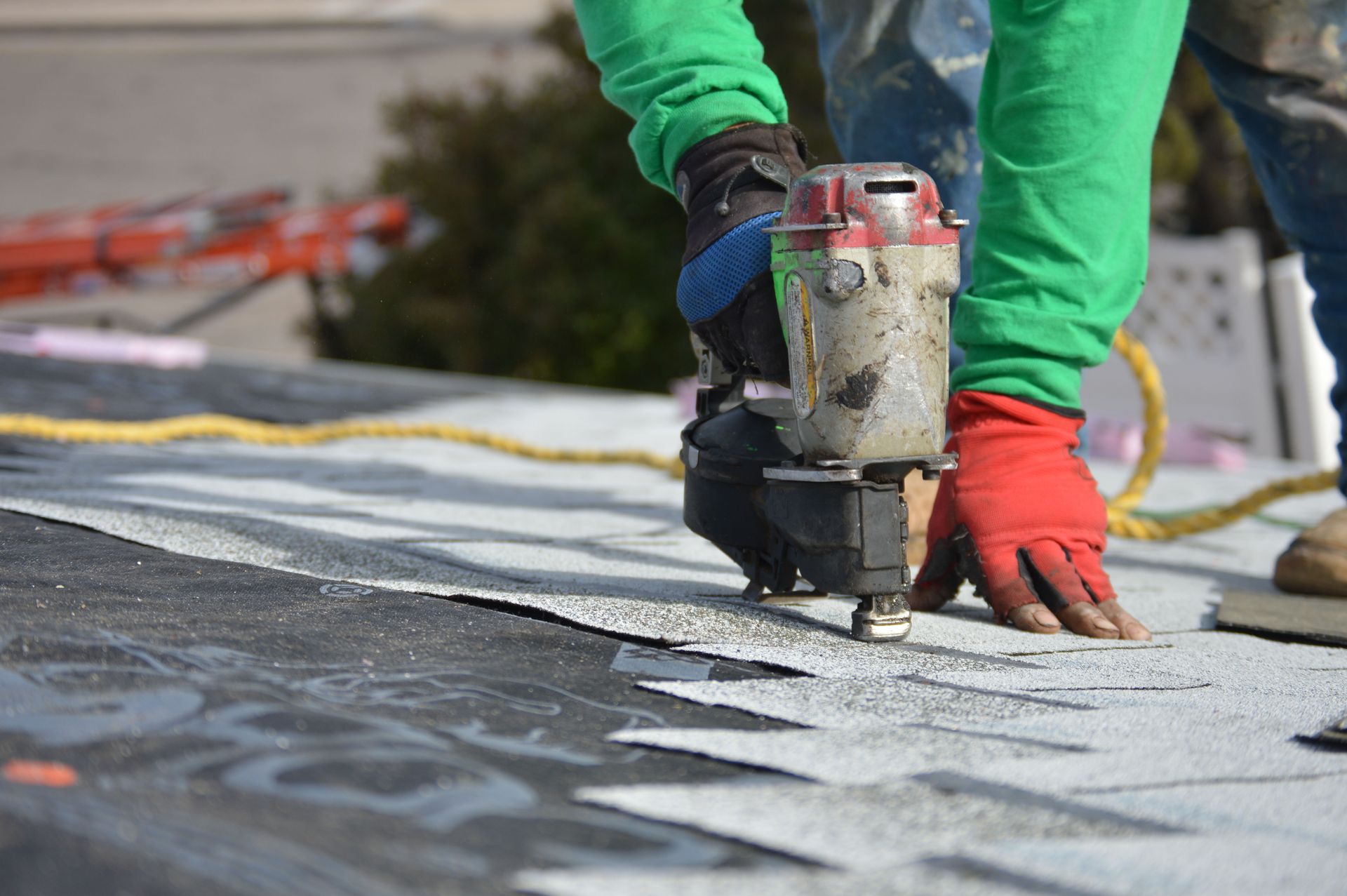
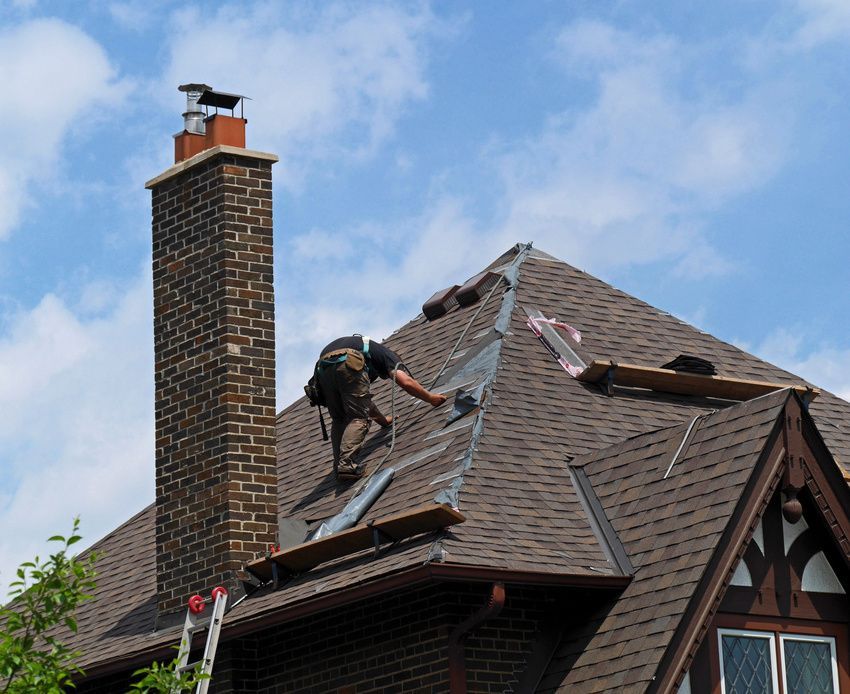
According to HomeGuide, replacing a roof typically takes 1 to 8 days, depending on the roofing material, roof size, pitch, and overall complexity. Investing in complete roof replacements restores foundational protection, ensuring your building stays shielded against severe weather for decades to come.
Identifying Widespread Shingle Curling and Granule Loss
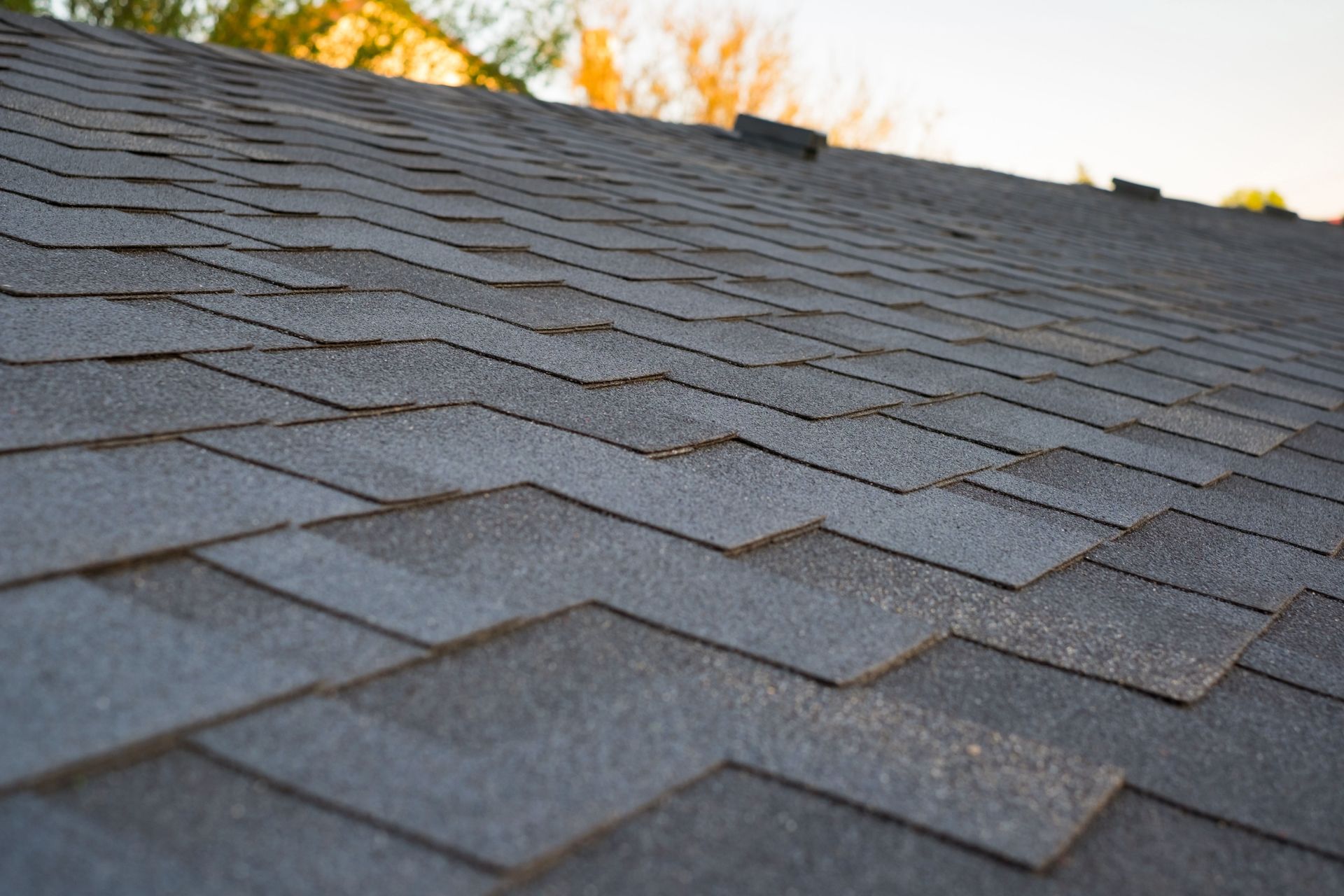
Observing severe physical deformation across multiple shingle courses indicates that essential waterproofing capabilities have degraded completely. When asphalt shingles reach extreme exhaustion, they begin curling along edges, buckling in middle sections, or losing protective mineral granules. Exposed fiberglass mats quickly deteriorate under direct ultraviolet sunlight, opening direct pathways for rainwater infiltration across your roof deck.
Spot repairs cannot address widespread material decay across vast slopes, making targeted fixes temporary and inefficient. Selecting full roof replacements resolves systemic material breakdown, restoring uniform curb appeal while creating an impenetrable protective barrier across your entire overhead residential structure.
Assessing Extensive Structural Sagging Along the Ridge Line
Noticing visible dips or pronounced sagging along structural support beams demands immediate teardown rather than simple patch remedies. Roof deck sagging typically points to long-term water saturation that has rotted underlying wooden rafters, plywood sheathing, or support trusses. Attempting simple surface repairs on compromised wooden framing fails to address severe structural instability, placing your home at risk of sudden collapse.
Complete teardown operations allow professional contractors to remove ruined sheathing, rebuild sagging framing timber, and install fresh protective decking. Investing in full roof replacements protects occupants by restoring structural framing stability throughout your home.
Analyzing Recurring Leaks Across Multiple Interior Rooms
Experiencing persistent water entry in multiple distinct interior locations indicates widespread membrane failure beneath your surface material. When water penetrates through numerous points across the underlayment, identifying every isolated leak path becomes practically impossible for repair crews. Minor patching might fix one active drip while leaving adjacent saturated insulation and hidden timber rot unaddressed within interior ceiling cavities.
Widespread water infiltration degrades drywall, fosters toxic mold development, and ruins interior finishes throughout multiple living areas. Choosing comprehensive roof replacements eliminates hidden leak pathways, replacing saturated underlayment with modern, waterproof barrier materials.
Surveying Storm Damage From Severe Weather Events
Sustaining severe impact damage from violent hail, falling tree limbs, or tornado-force winds often destroys structural integrity beyond simple repair. High winds easily rip away massive sections of shingles while flying debris punctures underlying wooden decking across expansive roof areas. Insurance adjusters frequently determine that widespread storm destruction invalidates partial fixes due to compromised system cohesion and material matching issues.
Patching torn sections often leaves your home vulnerable to future storm events, accelerating interior damage risks. Pursuing full roof replacements ensures complete structural restoration, bringing your home back to pristine conditions with updated building materials.
Spotting Widespread Moss Growth and Mold Saturation
Discovering heavy moss, algae, or lichen growth blanketed across shingles reveals trapped moisture that actively degrades underlying composite layers. Moss acts like a dense sponge, holding trapped moisture directly against asphalt surfaces and freezing during winter cycles to force shingles apart. As root structures penetrate deeper into underlying materials, the wood decking beneath slowly rots away out of direct sight.
Cleaning surface vegetation often tears away fragile, saturated granules, leaving raw fiberglass fully exposed to ambient environmental elements. Undertaking full roof replacement removes decayed, moss-covered decking entirely, installing clean materials treated to resist future fungal growth.
Checking for Daylight Penetration Through Attics
Seeing sunlight streaming through attic ceiling boards clearly demonstrates that underlying decking and weather barriers have eroded completely. When natural light penetrates your roof deck, wind-driven rain, outdoor humidity, and pest infestations easily follow the same pathway inside. Patching small holes from inside the attic fails to correct rotting plywood decking or degraded exterior shingles surrounding the breach.
Unaddressed gaps allow conditioned indoor air to escape rapidly, causing energy bills to soar dramatically throughout extreme seasons. Opting for full roof replacement closes all structural gaps, re-establishing tight thermal boundaries and reliable weather protection.
Dealing With Incompatible or Discontinued Shingle Materials
Finding matching shingles for older or custom installations often presents insurmountable challenges during simple exterior repair projects. Manufacturers frequently alter shingle dimensions, color formulas, and interlocking designs over time, making exact material matches virtually impossible for older structures. Installing mismatched materials creates unsightly visual patches that negatively impact your property value and curb appeal across the neighborhood.
Furthermore, piecing together incompatible shingle designs leaves open seams that invite future water leaks during heavy windstorms. Choosing complete roof replacement creates visual uniformity across all slopes, elevating home aesthetics with modern, durable materials.
Uncovering Multiple Existing Layers of Materials
Discovering that your building already features two or more existing shingle layers automatically dictates complete teardown procedures. Local building codes strictly prohibit adding a third layer of shingles because excessive weight stresses structural framing members beyond design limits. Multiple layers also trap heat, accelerating shingle decay while hiding underlying wooden deck rot from routine visual inspections.
Overlaying new shingles over old uneven surfaces prevents proper sealing, leaving your home susceptible to severe blow-offs during high winds. Undergoing total roof replacement strips away old, heavy layers, providing a clean foundation for new long-lasting installations.
Addressing Catastrophic Fire or Chemical Damage
Surviving localized house fires or chemical spills often leaves underlying roof decking charred, brittle, and structurally compromised beyond recovery. Even if shingles appear intact from ground level, intense heat warps wooden support trusses and melts protective underlayment membranes beneath. Chemical residues can rapidly break down asphalt compounds, rendering surface shingles completely useless against basic weather exposure.
Attempting surface repairs over heat-damaged framing risks structural failure during future heavy snow or heavy winds. Scheduling full roof replacement removes all fire-damaged lumber, ensuring your overhead shelter meets current safety codes and load-bearing requirements.
Determining whether to repair or replace a damaged roof requires evaluating structural integrity, material age, and total damage extent. While minor issues can be patched temporarily, severe structural sagging, widespread storm destruction, and chronic water infiltration require comprehensive solutions.
Choosing complete overhauls resolves hidden timber rot, eliminates recurring leak paths, and upgrades overall building energy efficiency effectively. Modern materials offer enhanced wind resistance and superior waterproofing capabilities, protecting your financial investment for decades to come.
Selecting full roof replacement provides absolute confidence, keeping your household safe, dry, and comfortable through every changing season. Are you seeking a professional roofing company to perform roof replacements in the Springfield, MO area? Hanson Roofing has you covered! Call today to schedule a service appointment or to request an estimate.