June 9, 2026
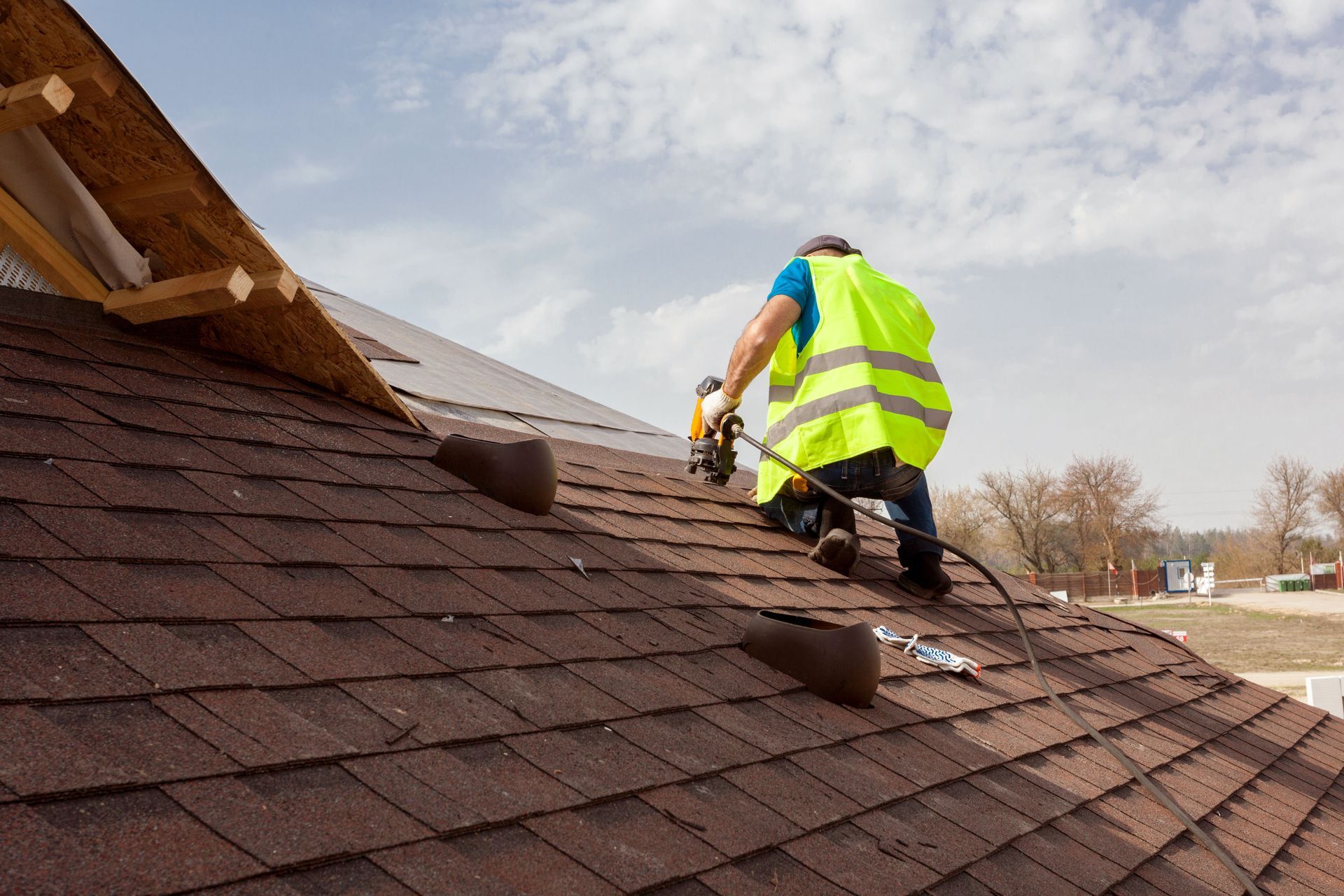
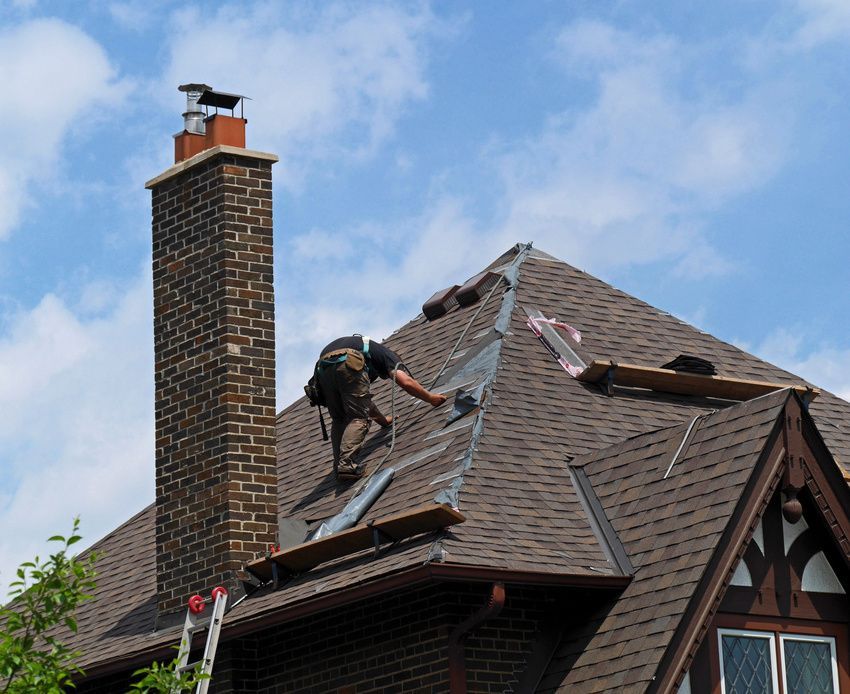
When homeowners think about upgrading their homes, they often focus on interior renovations like kitchen remodels or bathroom upgrades. However, one of the most impactful investments you can make for your property's long-term comfort and financial health is sitting right above your head. Choosing to invest in professional roof installations can dramatically change how your property consumes energy. A structurally sound, modern roofing system does far more than just shield your structure from the elements; it acts as a primary thermal barrier. For property owners looking to lower their utility bills and reduce their carbon footprint, understanding how a modern roofing system optimizes energy use is essential.
Upgrading Insulation Controls Heat Transfer
The space directly beneath your roof deck acts as the frontline defense against extreme outdoor temperatures. Older roofing systems often suffer from degraded or insufficient insulation, which allows regulated indoor air to escape and outdoor heat to infiltrate. Modern roof installations provide the perfect opportunity to address these thermal weak points. By pairing new materials with advanced insulation techniques, you create a seamless barrier that restricts the movement of heat.
Maximizing Thermal Resistance with New Materials
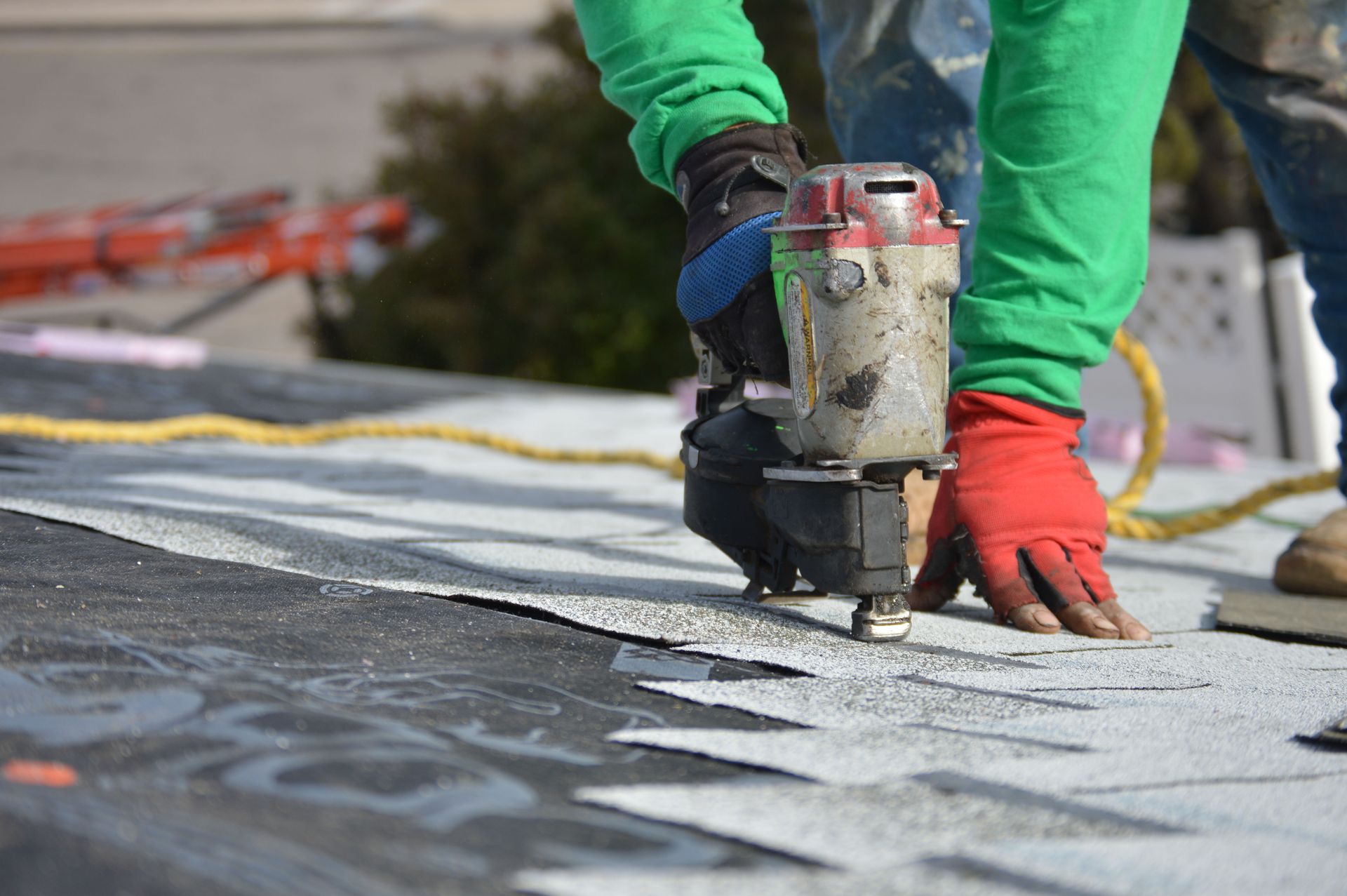
During the process of standard installations, technicians can assess the condition of the existing decking and insulation. Upgrading to high-quality insulating materials ensures that heat remains outside during the scorching summer months and stays trapped inside during the freezing winter season. This stabilization of indoor temperatures means your heating and ventilation systems do not have to work overtime to keep your living spaces comfortable.
Eliminating Costly Thermal Bridges
Older homes often develop gaps in their structural defenses over time. When a qualified team handles new installations, they ensure that every joint, seam, and transition point is completely sealed. This eliminates thermal bridging, which is the process by which heat bypasses insulation through conductive materials, ultimately leading to lower monthly energy consumption.
Optimizing Ventilation Balances Internal Temperatures
A roof is not meant to be a completely sealed box; it needs to breathe. Proper ventilation is a critical component of energy-conscious roofing designs. Without adequate airflow, your attic space can transform into a massive heat reservoir during the summer, radiating intense heat downward into your living areas.
Lowering Attic Temperatures in Summer
When executing modern roof installations, roofing specialists carefully calculate the necessary balance between intake vents and exhaust vents. This continuous airflow allows superheated air to escape from the peak of the roof while drawing cooler air in from the eaves. By preventing heat buildup in the attic, your air conditioning system experiences a significantly lighter workload.
Preventing Moisture and Ice Accumulation in Winter
Proper ventilation is just as vital during the colder months. In the winter, warm air from your living spaces naturally rises into the attic. If this moisture-laden air becomes trapped, it can cause condensation, leading to mold growth and compromised insulation. Additionally, trapped heat can melt snow on the roof surface, leading to ice dams. Strategically planned roof installations integrate continuous ridge vents and soffit venting to keep attic temperatures close to the outdoor ambient temperature, preserving both energy efficiency and structural integrity.
Selecting Reflective Materials Minimizes Solar Heat Gain
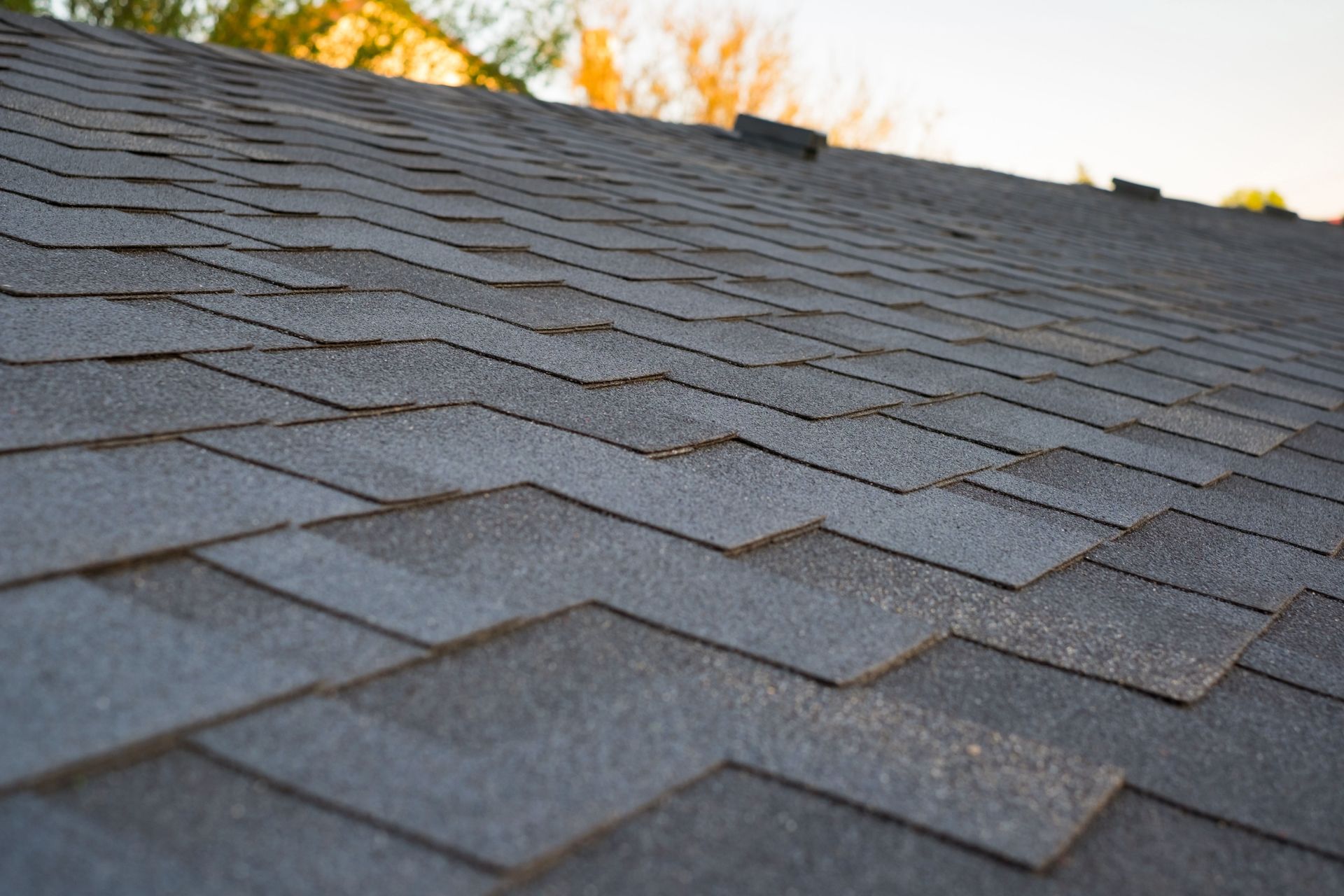
The color and composition of your roofing materials play a massive role in how much heat your property absorbs from the sun. Traditional dark asphalt shingles act like a sponge for solar radiation, absorbing up to ninety percent of the sun's energy and transferring it directly into the building below.
Utilizing Cool Roof Technology
Modern manufacturing has introduced "cool roof" technology into mainstream residential roofing and commercial roofing practices. These materials are engineered with specialized granules that reflect solar radiation back into the atmosphere rather than absorbing it. By choosing highly reflective materials for your installation, you can significantly reduce the surface temperature of your roof, which translates directly to cooler indoor spaces and reduced reliance on mechanical cooling.
Selecting Appropriate Materials for Flat Roofing
Energy efficiency is not limited to sloped residential structures. For businesses or modern homes utilizing flat roofing, the choice of materials is equally critical. Implementing bright white or highly reflective single-ply membranes during flat roof installations helps commercial and residential properties maintain stable internal temperatures, lowering the urban heat island effect while slashing cooling expenses.
Maintaining Structural Integrity Enhances Whole-Home Systems
A roofing system does not exist in a vacuum; it works in tandem with other exterior components to protect and insulate your property. When a roof begins to fail, it creates a domino effect that compromises the efficiency of the entire building envelope.
Supporting Proper Gutter Function
A comprehensive roofing upgrade often involves looking at how water and air interact around the edges of your home. Incorporating seamless guttering and proper gutter installation during your exterior upgrades ensures that water is directed away from the foundation and walls. When moisture is kept away from the structure, building materials stay dry, preventing the dampness that can degrade insulation performance and increase indoor humidity levels.
Protecting Soffit and Fascia Networks
The perimeter of your roof is secured by the soffit and fascia. These components do more than just provide a finished look; they house the vital intake vents that fuel your attic's ventilation system. Upgrading these areas alongside your roof installations ensures that the entire airflow network functions flawlessly, preventing stagnant air pockets that drain your home's energy efficiency.
Scheduling Timely Upgrades Prevents Cumulative Efficiency Losses
Waiting until a roof suffers from catastrophic failures or severe storm damage to pursue a replacement can cost you thousands of dollars in wasted energy over time. Gradual wear and tear might not always cause a visible leak, but it silently erodes your property's thermal defenses.
Moving Beyond Temporary Roof Repair
While routine roof repair is excellent for fixing localized issues, an aging roof eventually reaches a point of diminishing returns. Patchwork fixes cannot replicate the comprehensive energy-saving benefits of total roof replacements or strategic re-roofs. Investing in entirely new roof installations ensures that every single square foot of your overhead protection meets modern standards of efficiency and durability.
Evaluating the Real Investment Value
Property owners often hesitate to commit to large-scale exterior renovations due to the perceived initial financial commitment. According to Forbes, the cost of installing a new roof ranges from $4 to $40 per square foot, with an average of $7 per square foot, including labor and materials. When you view this investment through the lens of long-term energy savings, the reduced monthly utility bills help offset the upfront expenses over the lifespan of the system.
Partnering with Trusted Local Professionals Secures Results
Achieving maximum energy efficiency requires precision, high-quality materials, and expert craftsmanship. Entrusting your property to a reputable provider ensures that your project is executed flawlessly from start to finish.
Finding the Right Team for the Job
Whether you require assistance with residential roofing, commercial roofing, or recovering from unexpected storm damage, choosing the right contractor makes all the difference. Look for an established business that stands out in the industry—one that is BBB accredited and committed to transparency by offering free estimates. This ensures you receive an accurate assessment of your property's needs without any pressure.
By prioritizing comprehensive
roof installations handled by experienced professionals, you are doing more than just buying new shingles; you are upgrading your property's structural health, enhancing its curb appeal, and securing a more sustainable, energy-efficient future for your home or business. For an estimate on roofing services, contact us today at Hanson Roofing.