March 17, 2026
A roof provides more than just shelter; it serves as a protective layer that ensures the durability and safety of the structure beneath it. Without timely intervention and replacement, roofing issues can escalate, leading to more serious problems. By identifying these problems early on, homeowners can avoid costly and potentially dangerous situations. Understanding these issues can help homeowners make informed decisions about their roofing needs. This article explores three of the most common roofing issues that necessitate a full replacement rather than simple repairs.
1. Severe Water Damage
Causes of Water Damage
Significant water damage is one of the most destructive issues a roof can face. Causes often include prolonged exposure to rain, poor drainage systems, and the presence of ice dams. Over time, even the most minor leak can lead to substantial water infiltration. Pooled water can weaken the roof's structural integrity, allowing moisture to permeate through layers of insulation and into ceilings and walls. Without proper and immediate attention, serious water damage can necessitate a full roof replacement.
Signs of Extensive Water Damage
Recognizing the signs of water damage early can save homeowners significant repair costs. Some indications include discolored patches on ceilings, peeling paint, and dampness in the attic. Leaks during rainfall and visibly sagging ceiling boards are red flags. An unusual musty smell in the home can suggest mold growth due to water accumulation. Homeowners need to act promptly if they notice such symptoms to prevent extensive damage.
Impacts on Roofing Integrity
Water damage affects the core integrity of a roofing system. Moisture can lead to the rotting of wooden beams and weakening of structural supports. This compromises the roof's ability to bear weight, posing risks during storms or heavy snowfall. Furthermore, prolonged water exposure can corrode metal components, leading to further instability. Without intervention, these impacts make a roof replacement inevitable.
When Replacement is Necessary
Deciding when to replace a roof is crucial for cost-efficiency and safety. When water damage has caused widespread structural compromise, replacement becomes unavoidable. Patch repairs may temporarily suffice, but a complete replacement provides a long-term solution. According to RubyHome, 33% of homeowners end up replacing their roofs due to leaks. Investing in replacement can help prevent recurring repair costs while also increasing home value.
Preventative Measures
Implementing preventative measures can significantly reduce the risk of water damage. Regular roof inspections can help identify minor issues before they escalate. Ensuring effective drainage systems and promptly addressing leaks can prevent water accumulation. Homeowners should also consider installing underlayment barriers to protect against moisture. By being proactive, the need for a full roof replacement can be delayed.
2. Extensive Mold Growth
Mold-Favoring Conditions
Mold thrives in damp, humid environments, and roofs are prime targets when moisture management is poor. Poor ventilation and insulation exacerbate mold growth. These conditions are often found in attics, where water and warmth create an ideal breeding ground. A lack of sunlight exposure on some roof sections can also harbor mold. With consistent moisture penetration, mold colonies can quickly expand and necessitate a roof replacement.
Identifying Mold on Roofs
Spotting mold early is vital to curbing its spread. Mold typically appears as black or green stains on shingles and under eaves. Inside the home, its presence is often indicated by musty odors and respiratory issues among occupants. Visual signs on ceilings or walls may only be the tip of the iceberg. An occasional inspection by roofing professionals can reveal hidden mold infestations.
Dangers of Mold Infestation
A serious concern for both roof health and structure is mold infestation. Mold spores can cause allergic reactions and respiratory issues, particularly for individuals with asthma. Structurally, mold weakens roofing materials, hastening their decline. Mold damage can result in extensive repairs or a complete roof replacement if not promptly addressed. The economic impact of mold remediation is significant, emphasizing the need for timely attention.
Replacement vs. Remediation
Determining whether to remediate mold or proceed with a replacement involves assessing the extent of infestation. Minor infestations may be addressed through targeted mold removal techniques. However, when mold has penetrated deeply into the roofing system, replacement becomes the more viable option. Sealing off and remediating a severe infestation is often less effective. Full replacement ensures that all traces of mold are eliminated, providing a fresh start.
Strategies for Prevention
Preventing mold begins with maintaining a dry, well-ventilated attic. Homeowners should ensure that their roofs have adequate exhaust vents to facilitate airflow. Regular roof inspections and maintenance are crucial in identifying potential problem areas. Incorporating moisture barriers in roofing installations can minimize condensation. With these proactive strategies, the threat of mold-induced roof replacements can be significantly reduced.
3. Structural Roofing Damage
Indicators of Structural Compromise
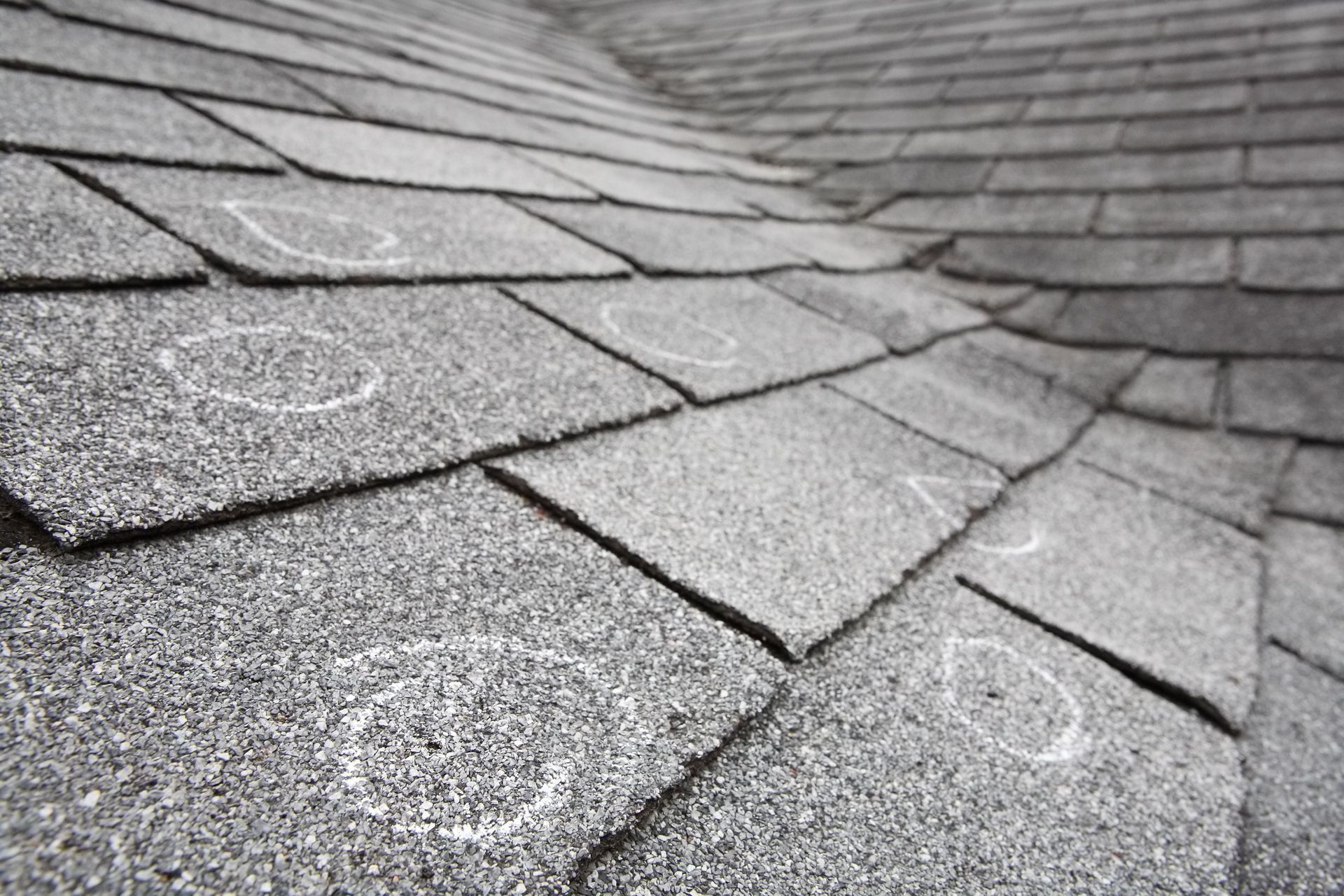
Indicators of structural damage in a roof include warping or a sagging appearance. Homes that experience tremors or are situated in storm-prone areas are at higher risk. Cracks and gaps, particularly after severe weather events, often signal serious issues. Shifting tiles or a noticeable increase in exterior noise levels can also be indicators. Such signs may herald the need for thorough inspection and potential replacement.
Causes of Structural Damage
Multiple factors contribute to structural roofing damage. Environmental factors such as wind, earthquakes, and heavy snowfall play a significant role. Poor construction practices can lead to foundational vulnerabilities that worsen over time. Natural wear and tear, coupled with improper maintenance, also predisposes roofs to structural issues. Understanding these causes throughout a roof's life can prepare homeowners for necessary interventions.
Risk of Ignoring Structural Issues
Ignoring structural roofing issues can have dire consequences. Left unchecked, minor problems can escalate into catastrophic failures. A compromised roof can lead to major safety risks, especially during extreme weather events. Financially, delaying necessary repairs often results in more costly damages. Addressing the root causes of structural issues promptly mitigates risks and reduces long-term expenses.
The Necessity of Full Replacement
Determining the need for a full roof replacement depends on the severity of damage. When the core structure is compromised, applying minor repairs often only offers a temporary solution. Investing in a full replacement ensures long-term stability and safety. Although replacements require significant upfront costs, they prevent further damage. Ultimately, a well-executed replacement provides peace of mind.
Best Practices for Future Prevention
Consistent maintenance is key to preventing future structural damage. Homeowners should schedule regular professional inspections to catch potential problems early. Reinforcing roofs with robust materials can withstand environmental pressures. Practicing timely repairs for minor damages helps preserve the overall structure. These measures safeguard against unforeseen replacements, achieving cost efficiency and safety.
A roof is a vital component of any home, and understanding these common issues can prevent larger, more expensive problems down the line. Completing a full replacement when necessary not only ensures the safety and comfort of a home but can also enhance property value. Embracing newer technologies and materials can further add to the longevity and performance of roofing systems. By staying informed and proactive, homeowners can protect their investments over the long term. A well-maintained and robust roof is central to peace of mind and property safety. Regular inspections and timely repairs help ensure that small concerns are addressed early, preserving both structural integrity and long-term cost efficiency. If you require a professional roof replacement, be sure to contact Hanson Roofing!