November 6, 2026
A roof protects a home from rain, wind, temperature changes, and other environmental conditions. When it begins to deteriorate, replacing it with quality materials and professional workmanship can help prevent damage and maintain the home's structural integrity. Although some homeowners may consider handling roofing projects themselves, hiring experienced professionals offers important advantages in safety, efficiency, and long-term performance. Understanding these benefits can help homeowners make informed decisions about their roofing needs.
Protect Your Home With Professional Workmanship
A properly installed roof does more than improve a home's appearance. It creates a protective barrier against moisture, wind, and other outdoor elements. Even small installation errors can allow water to enter the home, potentially damaging insulation, ceilings, walls, and structural components.
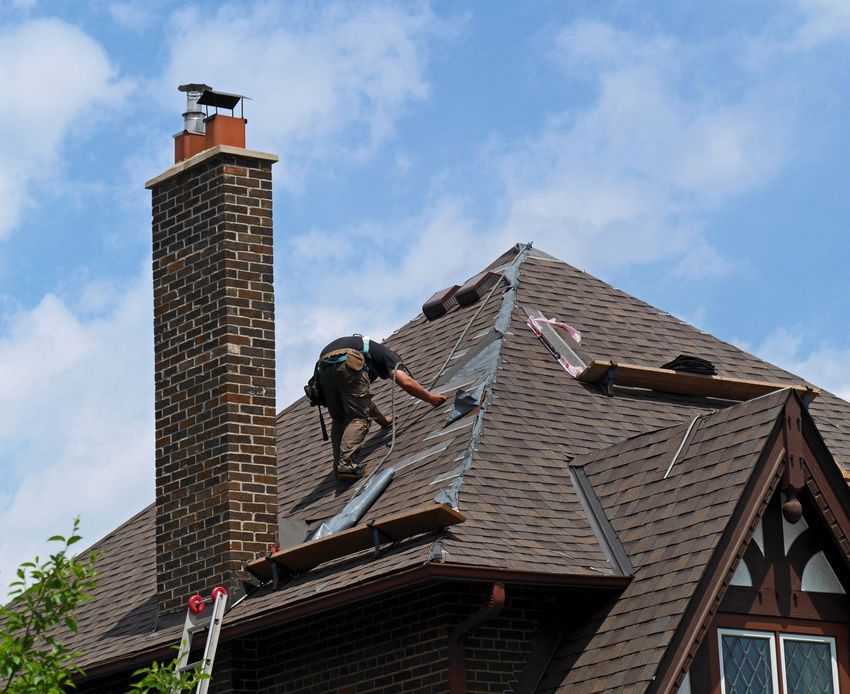
Experienced roofing professionals understand how different roofing materials perform and how to install them in accordance with manufacturer specifications. They also know how to address vulnerable areas, including valleys, flashing, roof edges, and penetrations around vents or chimneys.
Professional workmanship helps homeowners avoid common problems, such as loose shingles, improperly sealed joints, and inadequate ventilation. These issues can shorten a roof's lifespan and lead to costly repairs if left unaddressed.
Hiring experts for a roof replacement also means having knowledgeable professionals evaluate the existing roofing system before beginning work. They can identify visible signs of deterioration and determine whether underlying components need attention before the new materials are installed.
Improve Safety Throughout the Project
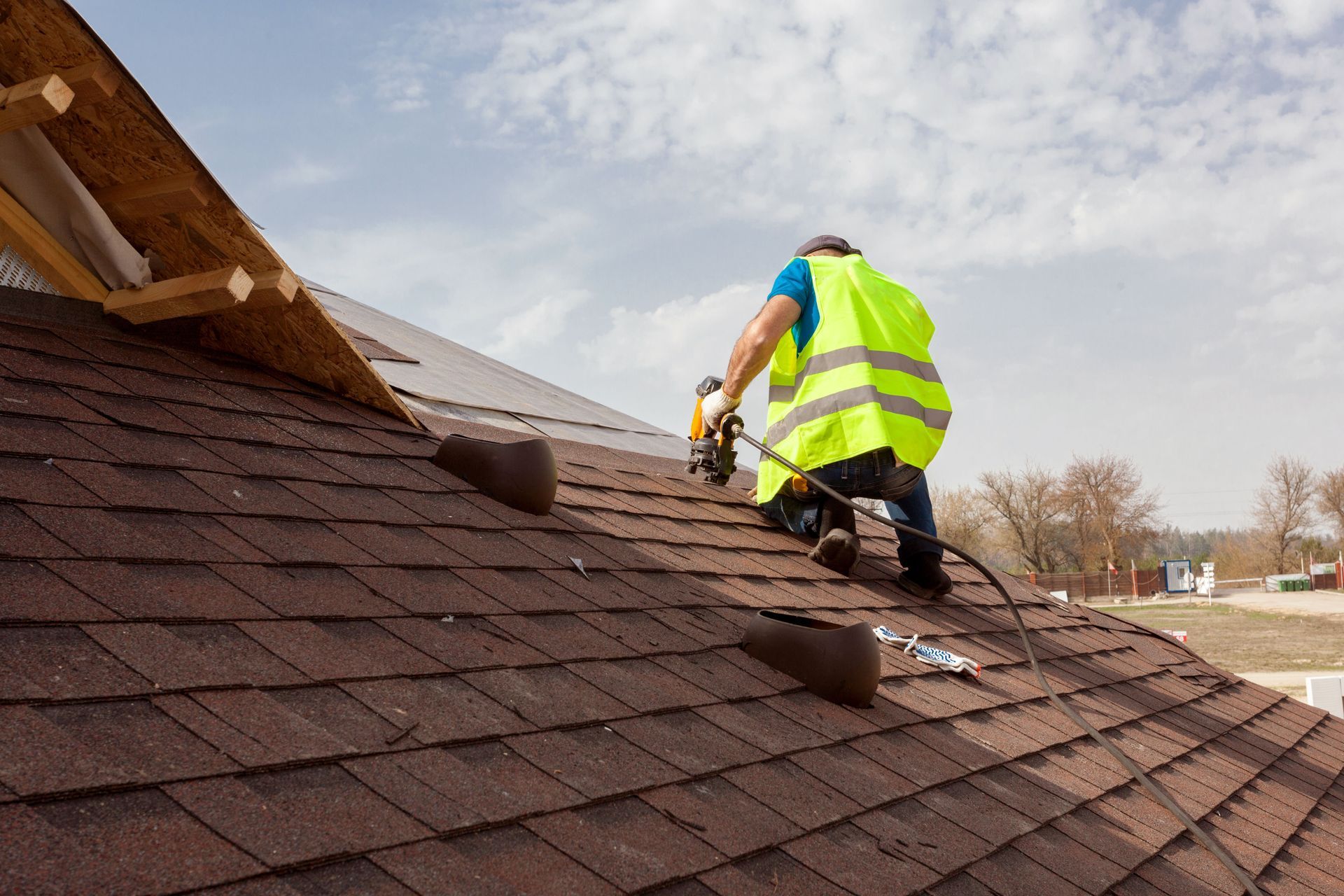
Roofing work involves significant physical risks. Steep slopes, unstable surfaces, exposed nails, heavy materials, and changing weather conditions can create dangerous situations for inexperienced individuals. Falls are another major concern, particularly when workers lack appropriate equipment or training.
Professional roofing contractors understand these hazards and follow established safety practices to reduce risks during installation. Depending on the project, protective measures may include fall protection systems, appropriate footwear, safety equipment, and procedures for handling materials.
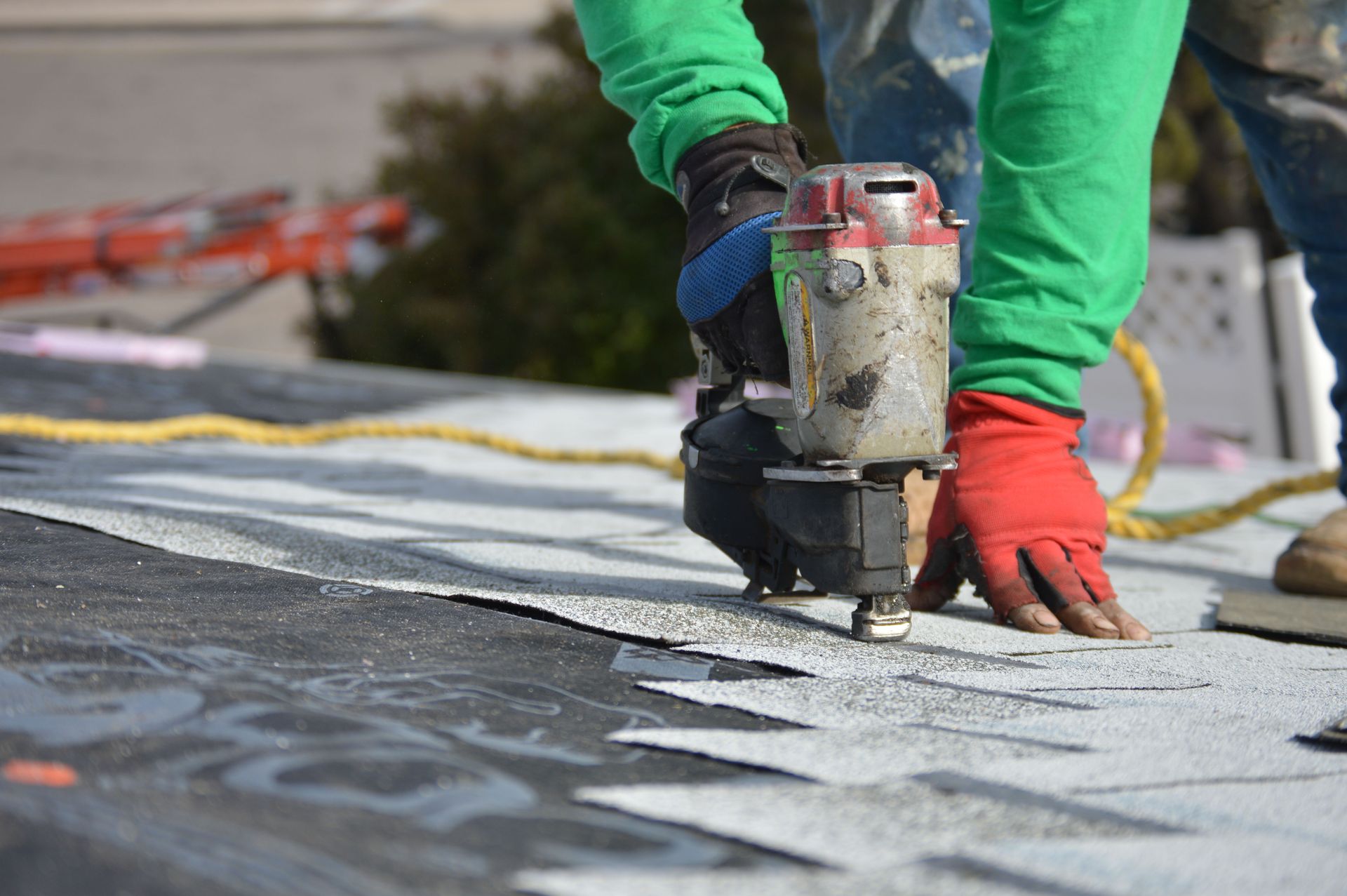
Hiring professionals also reduces the likelihood that homeowners will need to climb onto the roof or handle heavy materials themselves. Roofing projects can require specialized tools and equipment that are expensive to purchase and unfamiliar to operate.
Choose Materials That Match Your Home
Selecting roofing materials involves more than choosing a color or style. Homeowners must consider durability, weather resistance, maintenance requirements, appearance, and budget. The right choice depends on the home's structure, local climate, and long-term needs.
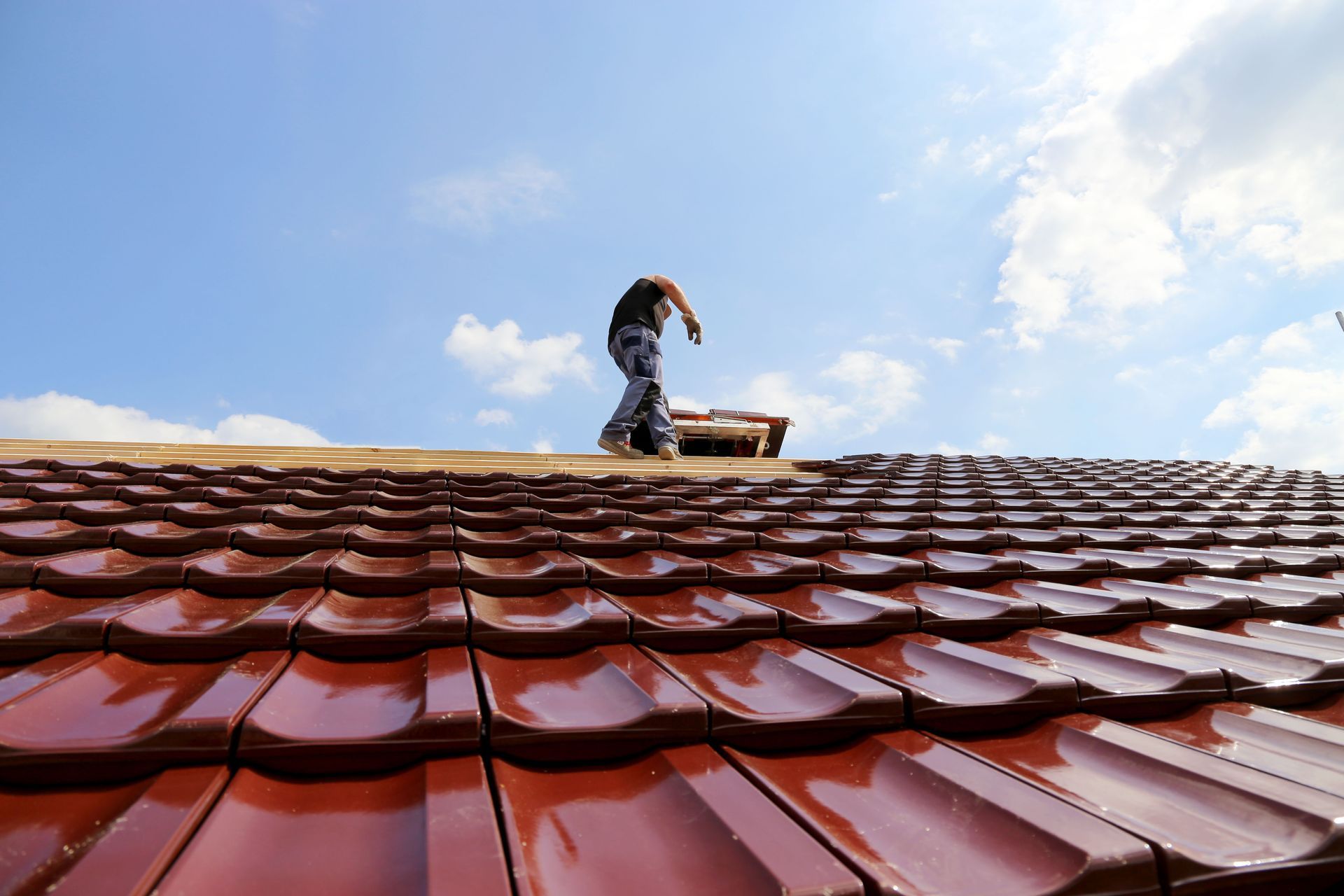
Roof replacement professionals can explain the advantages and limitations of different material options. They can also help homeowners understand how material selection affects installation requirements and expected performance.
Before making a decision, consider the following factors:
- Durability: Determine how well the material can withstand local weather conditions and everyday exposure.
- Appearance: Choose a style and color that complement the home's exterior.
- Maintenance: Consider the level of routine care the roofing material may require.
- Budget: Evaluate initial installation costs alongside expected service life and maintenance expenses.
- Compatibility: Confirm that the selected materials are appropriate for the roof's design and structure.
Professional guidance can make these decisions easier and help homeowners avoid choosing materials that do not meet their property's requirements. With a suitable product and proper installation, a new roof can provide dependable protection while improving the home's overall appearance.
Identify Hidden Damage Before Installation
Roofing problems are not always limited to the materials visible from the ground. Beneath worn or damaged shingles, moisture may have affected the roof decking, underlayment, flashing, or other components. If these issues remain undetected, installing new materials over damaged areas can compromise the entire roofing system.
Experienced contractors know how to inspect accessible areas for signs of deterioration and determine which components may require additional attention. During a roof replacement, removing existing materials can also reveal problems that were previously concealed.
Addressing these concerns before installing the new roof helps establish a sound foundation for the finished system. Depending on the findings, necessary work may involve replacing damaged decking, correcting flashing issues, or addressing ventilation concerns.
Save Time With Efficient Project Management
Replacing a roof involves several coordinated tasks, from removing old materials to preparing the surface, installing new components, and cleaning the work area. Without the right experience, homeowners may struggle to complete these steps efficiently or recognize when unexpected problems require attention.
Professional contractors bring established procedures, appropriate equipment, and practical experience to the project. They can organize the work, coordinate material deliveries, and adjust their approach when conditions change.
Efficient project management can also reduce unnecessary delays. Roofing professionals understand how weather, material availability, and the condition of the existing structure can affect scheduling. Although unexpected circumstances can still occur, an experienced team is better equipped to respond to them.
According to Webinar Care, replacement work accounts for more than 90% of the roofing market, underscoring the significance of roof replacement in the industry. With so many projects involving existing roofs, experienced contractors play an important role in helping homeowners navigate installation decisions and ensure the work is completed properly.
Protect Your Investment With Quality Installation
A new roof represents a substantial investment in a property. The quality of the installation can influence how well the roofing system performs over time, making professional workmanship an important consideration.
Incorrect fastening, poor flashing installation, and inadequate sealing can create vulnerabilities that allow water to penetrate the roof. These mistakes may not become apparent until the home experiences heavy rain, strong winds, or other challenging conditions.
Professional roof replacement contractors understand the importance of following installation guidelines and using compatible materials. They can also explain applicable workmanship warranties and manufacturer warranties, including the conditions homeowners must meet to maintain coverage.
Homeowners should review estimates carefully and ask questions about the proposed work. Before choosing a contractor, consider these important details:
- The scope of work and materials included in the estimate.
- Whether the contractor carries appropriate insurance and required credentials.
- The expected project schedule and procedures for handling unexpected repairs.
- Available warranties and any maintenance requirements.
- How the contractor will manage the cleanup and dispose of the removed roofing materials.
Comparing these details helps homeowners evaluate more than the initial price. A clear agreement and a qualified installation team can help reduce uncertainty and support better long-term results.
Enhance Energy Efficiency and Indoor Comfort
A roofing system contributes to the home's overall thermal performance. When roofing materials, ventilation, and insulation work together appropriately, they can help regulate indoor temperatures and reduce unwanted heat transfer.
An aging or damaged roof may contribute to drafts, moisture problems, or inconsistent indoor comfort, particularly when other parts of the building envelope also need attention. However, replacing roofing materials alone does not automatically resolve every energy-efficiency concern.
Professional contractors can assess roofing-related factors and identify concerns that may affect the system's performance. Appropriate ventilation and properly installed roofing components can help protect the home, while separate insulation improvements may be needed to achieve additional energy savings.
Maintain Your Roof With Expert Guidance
Professional roof replacement is an important step, but ongoing maintenance also helps preserve a roof's condition. Regular visual checks can reveal missing shingles, damaged flashing, debris accumulation, or other issues before they become more serious problems.
Homeowners should avoid climbing onto the roof themselves, especially when surfaces are steep, wet, or unstable. Instead, they can look for visible warning signs from the ground and arrange a professional assessment when something appears unusual.
It is also helpful to keep records of installation details, warranty documents, and completed repairs. These records make it easier to track the roofing system's history and understand which maintenance steps may be appropriate.
Choose Experienced Professionals for Lasting Protection
A carefully planned roof replacement can improve weather protection, preserve the home's structural components, and support long-term property value. Homeowners should prioritize clear estimates, appropriate credentials, quality workmanship, and dependable communication when choosing a contractor.
When it is time to protect your home with a professionally installed roof, contact Hanson Roofing to discuss your roofing needs and explore the right solution for your property.