August 28, 2026
Summer in the Springfield area brings intense heat, severe thunderstorms, and the kind of weather extremes that test every component of a home's envelope — and no component absorbs more of that punishment than the asphalt shingle roof overhead. Most homeowners give very little thought to their roof's condition until a visible leak or an insurance claim forces the issue, but by that point the deterioration has often been building for years through signs that were present and readable long before the interior damage made itself known. Recognizing the warning signs that a shingle roof is approaching or has reached the end of its useful life gives Republic and Springfield area homeowners the opportunity to act on a replacement timeline that is planned and budgeted rather than forced and unexpected. This overview covers the most important indicators that it may be time to call a professional for a roof inspection and replacement evaluation.ro
Starting With the Age of the Roof Relative to Its Expected Service Life
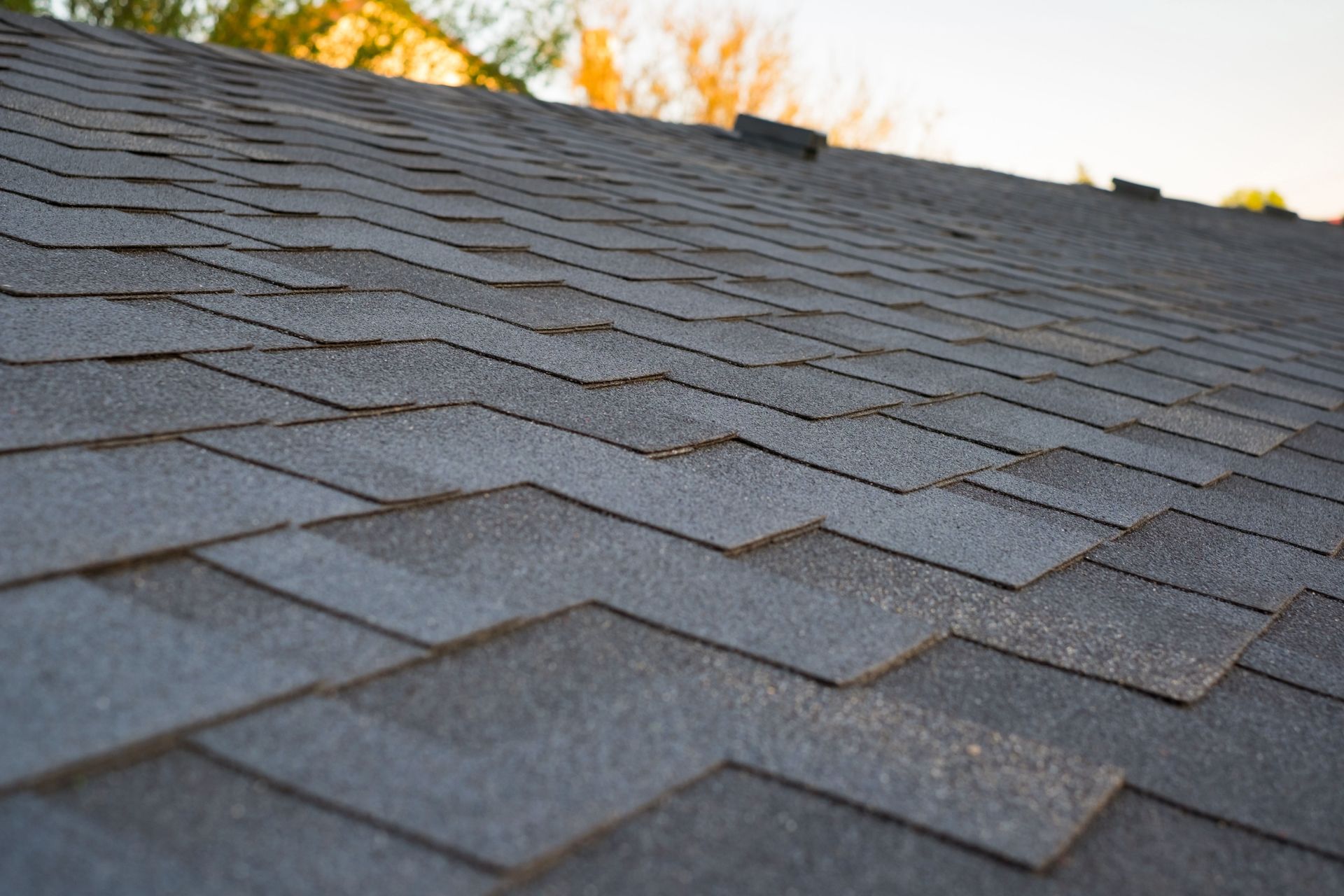
According to Home Advisor, asphalt shingles last 15 to 30 years, which gives homeowners a practical baseline for understanding where their roof stands relative to its expected service life depending on the installation quality, the materials used, and the weather exposure the specific property has experienced over its years of service. Roofing companies that specialize in asphalt shingle inspection and replacement can evaluate not just the visible surface condition of the shingles but also the decking, flashing, ventilation, and underlayment conditions that together determine whether a roof at any age is performing as expected or has begun to fail ahead of schedule. Knowing that the 15 to 30 year range is not a guarantee of performance but rather a guideline that depends heavily on the quality of the original installation and the maintenance the roof has received gives homeowners the most honest framework for interpreting the age of their specific roof.
Recognizing When the Roof's Age Justifies a Professional Evaluation
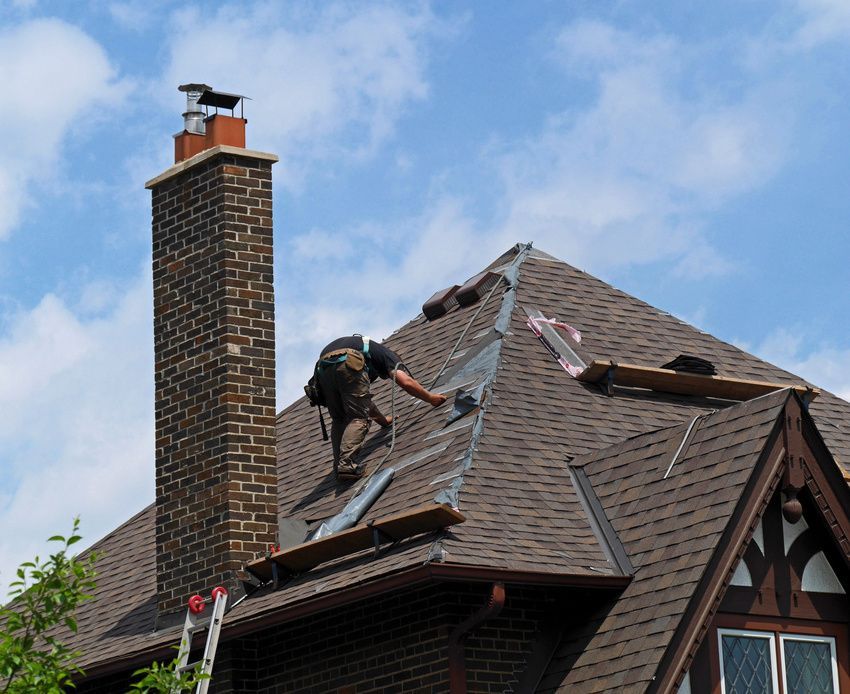
The age of the roof relative to the expected service life of the specific shingle product installed is the most straightforward indicator that a replacement evaluation is warranted, because a 20-year-old three-tab shingle roof approaching the lower end of its expected service window is operating in territory where ongoing repair investment may cost more in cumulative expense than a planned replacement would produce as a single project. Roofing companies that perform roof inspection services give homeowners the professional assessment needed to determine whether the age of the roof is already reflected in visible deterioration that warrants replacement or whether the current condition is consistent with continued performance for additional years with appropriate maintenance. Scheduling a professional inspection when a roof approaches the 15 to 20 year mark gives homeowners the most lead time available to plan a replacement on their own terms rather than reacting to a failure that forces the timeline at the least convenient possible moment.
Spotting Curling, Cupping, or Clawing Across the Shingle Field
Curling, cupping, or clawing of individual shingles is one of the most visible surface signs that the material has undergone the moisture and thermal cycling that causes asphalt shingles to deform as they age, and a shingle field where these distortions are widespread rather than isolated is communicating that the material has reached the stage where it can no longer perform its waterproofing function reliably under the storm conditions that a Missouri summer consistently delivers. Roofing companies that evaluate curling patterns across the full shingle field give homeowners the most accurate picture of whether the distortion is a localized problem that spot repair can address or a system-wide condition that makes a full replacement the more practical and more financially sound path forward. A shingle that has curled significantly has also compromised the sealing between courses, which creates the wind and water infiltration vulnerability that leads to the leak events most homeowners associate with roof failure without recognizing the gradual surface distortion that preceded the actual water entry.
Identifying Widespread Granule Loss on Aging Shingle Surfaces
Granule loss that leaves the underlying asphalt mat of individual shingles exposed to direct UV radiation is both a sign of advanced shingle aging and a self-accelerating problem, because the granules that protect the asphalt from UV degradation are also what prevent the rapid further deterioration that occurs when bare mat is directly exposed to the summer sun. Roofing companies that identify widespread granule loss through an on-site inspection can evaluate whether the loss pattern is consistent with normal aging across the full shingle service life or whether it reflects accelerated loss caused by storm damage, improper installation, or a product deficiency that has caused premature granule detachment across a significant portion of the roof. Finding shingle granules in the gutters during a cleaning visit, or noticing bald patches on the shingle surface visible from the ground, are the most common ways homeowners first become aware of granule loss before it has progressed to the stage where bare mat is visibly obvious from the street level.
Addressing Sagging or Depression in the Roof Deck Without Delay
Visible sagging or depression in the roof deck beneath the shingle surface is one of the most urgent warning signs available because it indicates that the structural decking has absorbed moisture to the point of softening, rot, or structural failure that goes beyond what any surface-level shingle repair can address without also correcting the decking condition beneath it. Roofing companies that include roof tear-off and roof ventilation services alongside their replacement capabilities can evaluate the full condition of the deck once the shingles have been removed and perform the decking repairs that give the new shingle installation the solid structural foundation it requires to perform as expected throughout its service life.
Evaluating Storm Damage After Hail and High Wind Events
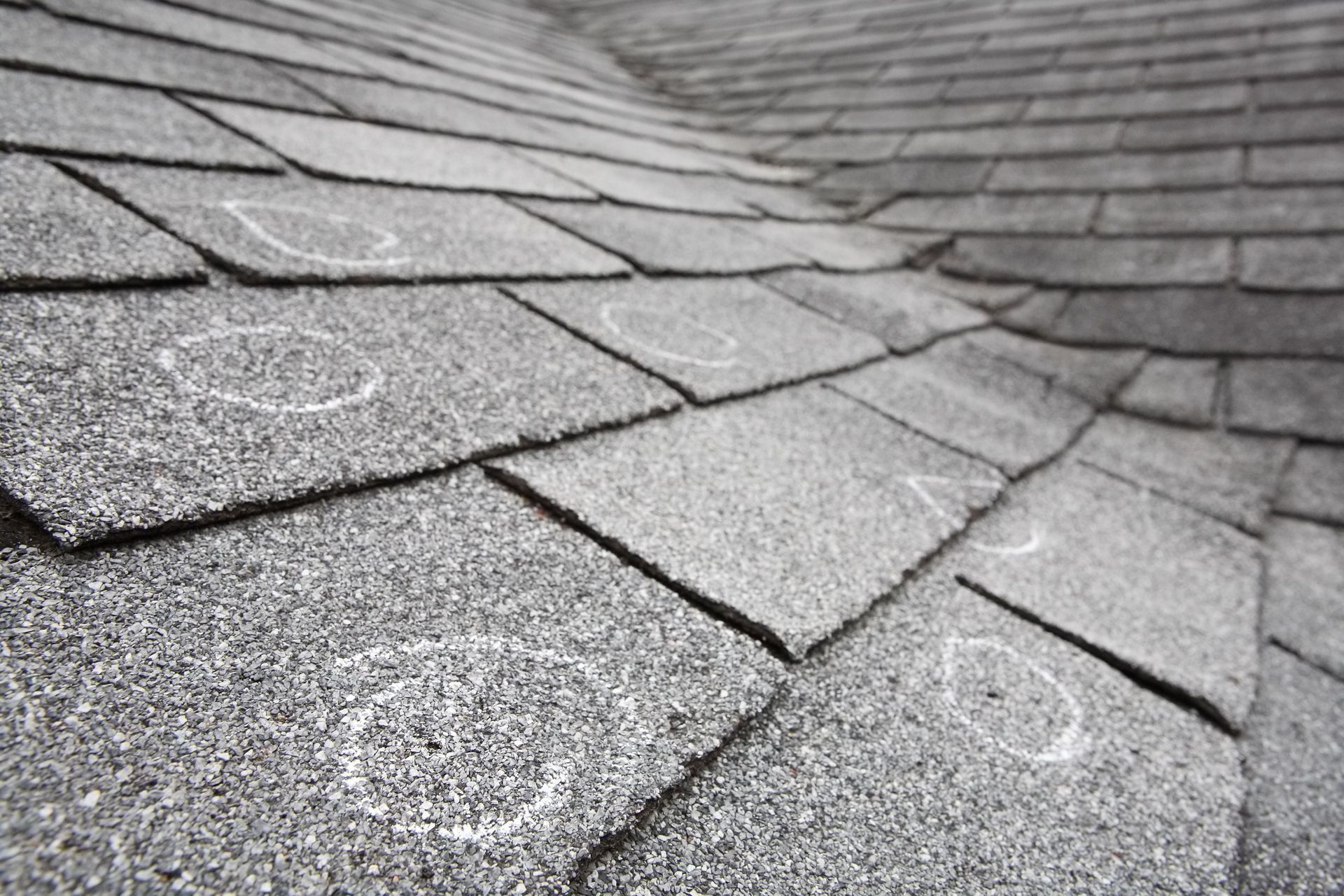
Storm damage from the hail and high wind events that Missouri summers regularly produce can accelerate a roof's timeline toward replacement in ways that are not always immediately obvious from ground-level inspection, because hail impact damage that dislodges granules, cracks shingles, and bruises the asphalt mat often looks minor from the street while actually having compromised the waterproofing integrity of the affected shingles throughout the area of impact. Roofing companies that provide storm damage repair and emergency roof repair services can evaluate post-storm damage with the professional eye needed to distinguish between cosmetic surface marks and functionally compromising damage that creates the ongoing water vulnerability leading to interior leak events during the next significant rain.
Acting on Interior Water Signs Before Secondary Damage Accumulates
Interior warning signs including water stains on ceilings, dampness in the attic, and daylight visible through the roof decking when the attic is viewed from below are among the most urgent indicators that the roof has developed one or more active failure points requiring immediate professional evaluation. Roofing companies that offer leak detection services alongside roof inspection services give homeowners the most targeted response to interior water evidence, because identifying the specific entry point is the prerequisite to determining whether the leak represents an isolated flashing failure, a localized shingle breach, or part of a broader system deterioration that warrants complete replacement rather than continued repair.
The signs that an asphalt shingle roof is approaching replacement are visible to anyone who knows what to look for, and the most financially and logistically favorable time to act on those signs is always before they become the emergency that forces the decision. Hanson Roofing has proudly served homeowners and businesses throughout Republic, Springfield, and the surrounding Southwest Missouri communities for over 30 years as a second-generation family-owned roofing company, delivering asphalt shingle installation and repair, roof replacement and tear-off, roof inspections, roof maintenance, leak detection, and storm damage repair alongside gutter services, backed by a 5-year workmanship warranty on new installations, manufacturer's warranties, insurance claim assistance, and over three decades of local expertise that Republic and Springfield area homeowners have relied on through every season of Missouri weather. For more information, contact us today!