August 13, 2026
Severe weather acts as one of the most relentless forces facing residential and commercial buildings today. From sudden spring hailstorms to long summer heatwaves, atmospheric elements continuously test the resilience of exterior building envelopes. Over time, recurring weather conditions break down even the highest quality materials, leading property owners toward unavoidable structural maintenance or complete roof replacements. Understanding the exact mechanisms through which climate factors degrade shelter systems allows building managers and homeowners to react promptly before minor leaks transform into devastating structural emergencies.
Every season brings a distinct set of challenges that can compromise the upper defense layer of a building. Heavy rains test water management systems, strong winds apply intense uplift pressures, and frozen precipitation creates immense physical loads. Recognizing these environmental threats early helps preserve property values and ensures interior spaces remain dry and safe. By examining how atmospheric patterns interact with traditional roofing components, property owners gain the insight required to make informed choices regarding professional inspections, timely repairs, and necessary system upgrades.
Identifying Severe Weather Damage on Residential Roofing Systems
Heavy rainstorms exert relentless hydrostatic pressure against exterior surface components, making them the primary line of defense during severe weather events. When high-velocity rainfall strikes a property, water seeks out any micro-fissures or minor gaps within the protective layers. Over prolonged periods, continuous moisture exposure erodes surface coatings and compromises underlayment barriers. If moisture manages to penetrate beneath the primary barrier, it quickly rots underlying wooden decking and weakens internal supports. To prevent extensive interior ceiling damage, property owners must rely on skilled contractors to evaluate surface integrity after major rainfall events.
In addition to structural weakening, lingering moisture within enclosed roof assemblies creates optimal conditions for organic growth such as mold and mildew. Once spores establish themselves inside damp, unventilated attic spaces, they rapidly multiply and degrade building materials from within. Furthermore, overloaded drainage channels often cause water to pool along eave lines, exacerbating edge deterioration and foundation erosion. When rainwater cannot flow freely away from a building, the resulting backup forces water upward underneath existing shingles. Professional maintenance crews ensure gutters stay clear and drainage pathways remain unobstructed, thereby preventing premature roof replacements caused by hidden water intrusion.
Mitigating Wind Hazards to Prevent Structural Deterioration
High winds represent a dynamic threat capable of stripping protective layers off a building in a matter of seconds. As strong gusts pass over a rooftop, they create negative pressure zones that pull upward on perimeter edges and loose components. This lifting force can peel back outer materials, exposing delicate sub-layers directly to driving rain and flying debris. Unprotected underlayment increases vulnerability to water infiltration, exacerbating potential damage. According to RubyHome, 33% of homeowners replace their roofs due to storm damage, highlighting the significant impact of wind-laden storms.
Beyond immediate surface displacement, extreme wind pressure puts immense stress on the structural decking beneath. Gusts can force wind-driven rain upward beneath overlapping seams, compromising fasteners and warping plywood sheathing. Auxiliary fixtures like chimney flashing, exhaust vents, and skylight seals are equally susceptible to high-velocity air movement. When wind destabilizes these crucial attachments, open gaps form that allow water to flow freely into living spaces. Engaging certified professionals to reinforce vulnerable perimeters and inspect structural fasteners after windstorms remains the best defense against catastrophic storm failure and unexpected roof replacements.
Managing Winter Ice Accumulation and Heavy Snowfall Impacts
Winter weather presents a dual challenge of extreme weight loads and cyclical freezing action. Heavy snowfall accumulates rapidly on top of structures, placing intense static load stress on rafter assemblies and supporting trusses. Older properties or buildings with flat design profiles are particularly vulnerable to structural sagging under the weight of wet, dense snow. When snow accumulation exceeds designed load capacities, structural framing begins to strain, creating immediate safety risks for occupants inside. Professional clearing services use specialized equipment to safely remove excess snow mass before structural failure occurs.
Another severe winter hazard is the formation of ice dams along lower eave lines. Ice dams occur when indoor heat escapes through poorly insulated attics, melting snow on the upper portion of the roof. As this melted water runs down toward unheated eaves, it refreezes, creating a solid ridge of ice that traps subsequent runoff. Water backed up behind an ice dam eventually finds its way under shingles, dripping into attic insulation and wall cavities. Repeated freeze-thaw cycles further expand tiny surface cracks into major splits. Early professional interventions to improve attic ventilation and seal thermal leaks remain essential to avoiding full roof replacements due to winter freeze damage.
Repairing Hail Penetrations and Granule Loss on Shingles
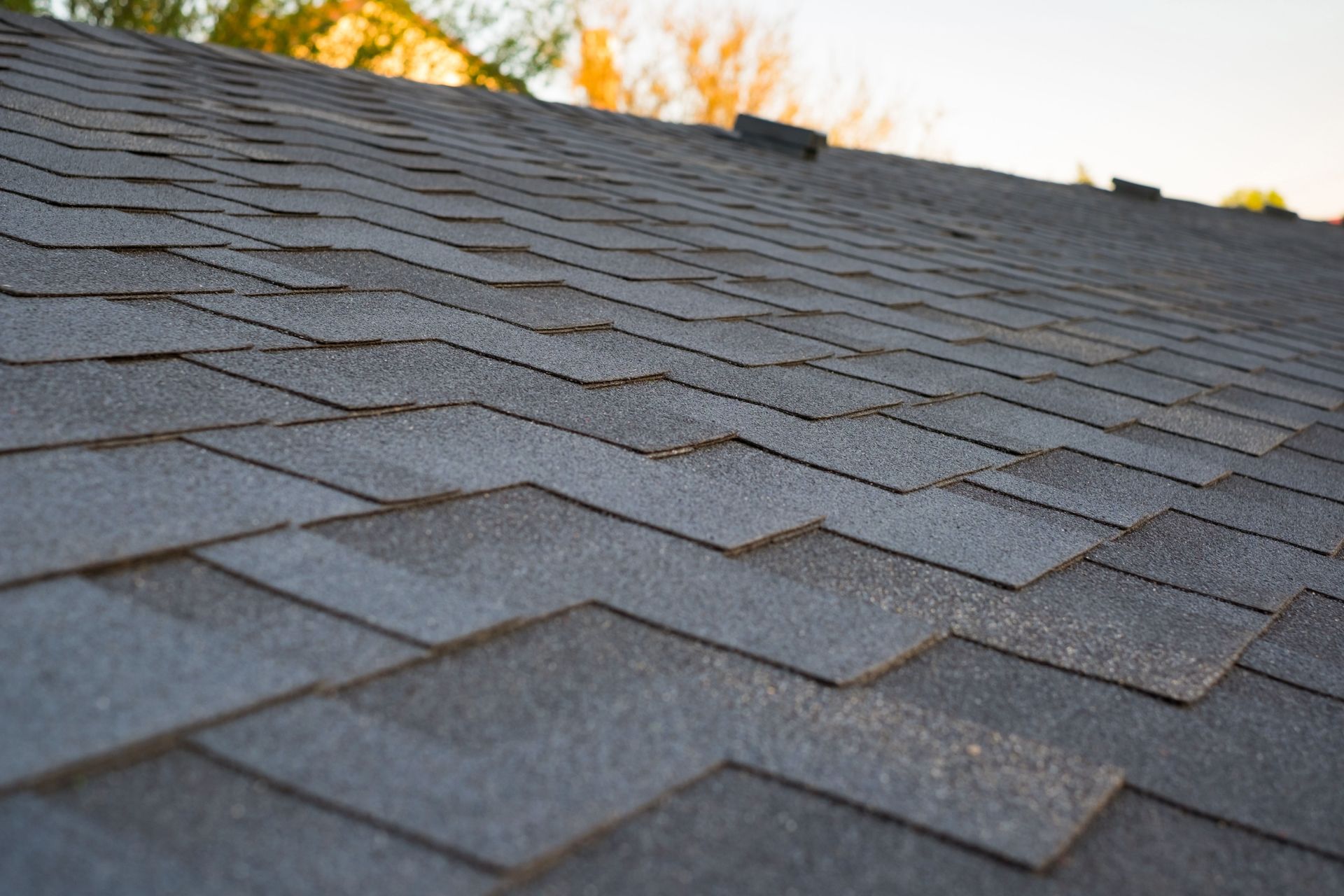
Hailstorms inflict sudden impact damage that can ruin exterior surface layers in just a few minutes. High-velocity hailstones strike surfaces with tremendous force, dislodging protective mineral granules from asphalt components. These granules shield underlying asphalt layers from harmful solar exposure. When hail strips away this protective coating, underlying asphalt becomes exposed to rapid degradation from sunlight and ambient heat. Visual indicators of hail impact include dark, circular divots on surface materials and heavy granule accumulation inside gutter troughs.
In severe instances, large hailstones can puncture right through exterior membranes, creating immediate openings for rainwater. Even when punctures do not cause instant interior leaks, the unseen structural shock can crack underlying support boards or loosen critical mechanical fasteners. Neglecting hail impact marks allows water to slowly seep into internal framing, leading to widespread wood rot over subsequent months. Certified roofing specialists possess the expertise to detect subtle impact fractures that untrained eyes miss, ensuring timely restoration work before homeowners are forced into full roof replacements.
Evaluating Extreme Thermal Stress and Solar Radiation Effects
Extended heatwaves and continuous exposure to intense ultraviolet radiation cause steady, silent wear on exterior roofing materials. High ambient temperatures cause building components to expand during peak sunlight hours and contract as temperatures drop at night. This continuous cycle of thermal expansion and contraction induces material fatigue, causing rigid components to buckle, warp, or crack over time. Metal flashings and joint seals are especially sensitive to heat fluctuations, often pulling away from adjacent surfaces and breaking crucial watertight bonds.
Ultraviolet radiation further accelerates material breakdown by drying out essential oils within asphalt compounds and synthetic membranes. Over years of direct sun exposure, materials become brittle, lose flexibility, and develop deep surface cracks. Once flexibility is lost, components can no longer accommodate routine thermal shifting without splitting open. Additionally, heat deteriorates caulking compounds and rubber boot pipe seals around roof penetrations. Having experienced contractors apply solar-reflective coatings and conduct routine heat-damage checks helps extend system lifespan and defers expensive roof replacements.
Navigating Professional Restoration and Safeguarding Property Values
Weather events of every magnitude inevitably take a toll on the integrity and lifespan of residential and commercial structures. From subtle granule loss during localized hailstorms to major structural displacements caused by hurricane-force winds, environmental factors continuously challenge building durability. Staying proactive through detailed seasonal evaluations and hiring qualified contractors for prompt repairs remains the most reliable strategy to prevent localized weather damage from escalating into widespread structural failure. Investing in routine professional oversight preserves structural stability, protects internal investments, and maximizes the operational lifespan of existing building envelopes.
When storm damage strikes or time takes its toll on your property, turning to qualified industry experts ensures your building receives the highest level of protection. The team at Hanson Roofing provides comprehensive inspection, repair, and installation services tailored to withstand the harshest weather conditions. Whether you require immediate storm damage repairs or are planning necessary
roof replacements, our experienced specialists deliver superior craftsmanship and durable materials engineered for long-term reliability. Contact us today to schedule a thorough professional inspection and secure your property against future atmospheric threats.